Berkeley Law offers substantial depth in criminal law and criminal justice, with courses spanning criminal procedure, trial practice, white collar crime, youth justice, post-conviction remedies, computer crime and cybersecurity, and domestic violence law. Students can complement their coursework through clinics, field placements, the Criminal Law & Justice Center, the Berkeley Journal of Criminal Law, and pro bono projects beginning in their first year.
Why study criminal law and criminal justice at Berkeley Law?
Berkeley gives students opportunities to work across different approaches to criminal law and justice rather than choosing between individual representation and systemic change. Students can develop litigation skills, represent clients, work on policy and legislation, conduct research, and explore how these approaches can work together.
That range extends across Berkeley Law’s clinics and programs. The Death Penalty Clinic provides experience in capital litigation. The Policy Advocacy Clinic gives students opportunities to work on legislative and policy change. The Samuelson Law, Technology & Public Policy Clinic connects law and technology with government and policy work. The Criminal Law & Justice Center brings together litigation, policy advocacy, direct service, and research.
Berkeley’s location adds another dimension. The Bay Area gives students proximity to public defenders, civil rights organizations, advocates, courts, government agencies, and policymakers working on criminal justice issues. Students can also draw on expertise across UC Berkeley in fields including social welfare, public health, journalism, sociology, political science, and history.
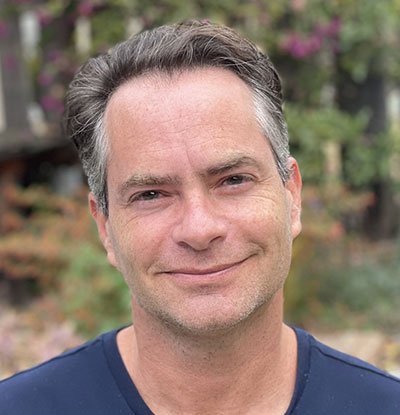
Ty Alper
Clinical Professor of Law
Co-Director,
Death Penalty Clinic
Co-Director, Clinical Program

Chesa Boudin
Executive Director,
Criminal Law & Justice Center

Stephanie Campos-Bui
Assistant Clinical
Professor of Law
Co-Director,
Policy Advocacy Clinic
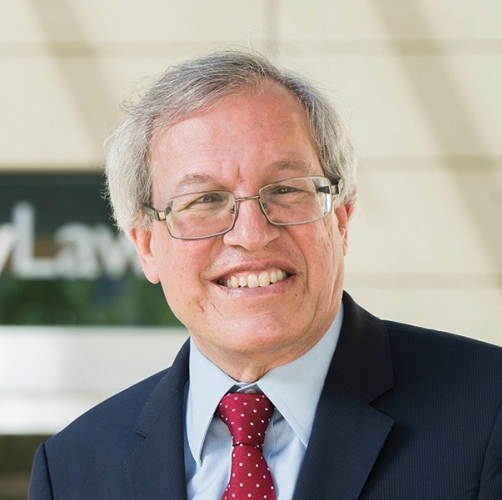
Erwin Chemerinsky
Dean, UC Berkeley Law
Jesse H. Choper Distinguished Professor of Law

Colleen Chien
Professor of Law

Malcolm Feeley
Claire Sanders Clements Dean's Professor of Law (Emeritus)

Saira Mohamed
Professor of Law

Mridula Raman
Interim Deputy Director,
Death Penalty Clinic

Andrea Roth
Professor of Law
Barry Tarlow Chancellor's Chair in Criminal Justice

Ryan T. Sakoda
Assistant Professor of Law

Jeffrey Selbin
Chancellor's Clinical Professor of Law
Faculty Director,
Policy Advocacy Clinic

Elisabeth Semel
Chancellor’s Clinical
Professor of Law
Co-Director,
Death Penalty Clinic

Jonathan Simon
Lance Robbins Professor of Criminal Justice Law

Charles Weisselberg
Yosef Osheawich
Professor of Law

Franklin Zimring
William G. Simon Professor of Law (Emeritus)
Faculty Director,
Criminal Justice Studies
Curriculum
At UC Berkeley Law, you’ll find a comprehensive range of Criminal Justice courses that equip you with the skills and knowledge to excel in the field. With new classes added regularly, our curriculum covers both longstanding and emerging issues, ensuring a deep and wide educational experience. Offerings may include:
 Criminal Procedure – Investigations
- Criminal Procedure – Adjudication
- White Collar Crime
- Youth Justice Law, Practice, and Policy
- Computer Crime Law
- Criminal Trial Practice
- Domestic Violence and the Law
- California Prisons and Discretionary Parole
- Juvenile Justice
- Post-Conviction Remedies
Note that courses offered this semester may not be available in future semesters, reflecting our dynamic program.
Death Penalty Clinic
 Founded in 2001, the clinic seeks justice for individuals facing the death penalty by providing them with high-quality representation; offers students a rich opportunity for meaningful hands-on experience in high-stakes, complex litigation; and exposes problems endemic to the administration of capital punishment.
East Bay Community Law Center
 Through eight community-based clinics, more than 100 UC Berkeley Law students each year gain training and tools to advance racial justice. EBCLC takes a holistic approach to addressing the needs of under-resourced and Black, Indigenous, and People of Color (BIPOC) communities, including an entire suite of legal and social services.
Policy Advocacy Clinic
 The nation’s premier interdisciplinary clinic where law and public policy students team up to take on systemic racial and economic injustice. The clinic’s approach is ground-up (rooted in the lives of real people), problem-based (addressing pressing social issues), and client-driven (accountable to community organizations).
Samuelson Law, Technology & Public Policy Clinic
 The Samuelson clinic advances the public interest in a rapidly changing digital age, focusing on civil liberties, intellectual property, and criminal justice. The clinic looks for strategic opportunities in litigation, regulatory and legislative processes to ensure a fair criminal legal system.
Criminal Law & Justice Center
 The Criminal Law & Justice Center is a hub for research, education and advocacy in the field. Blending a data-driven approach with zealous advocacy, the center offers empirical insights into the intricacies of the legal system and policy outcomes. It harnesses the wealth of perspectives, experiences and expertise that our students and faculty bring to bridge the gap between scholarship and real world impact.
Student-Initiated Legal Services Projects (SLPS)
 UC Berkeley Law SLPS enable you to develop lawyering and leadership skills while serving the community. Interact with clients and get valuable hands-on experience as early as your first semester of law school, while earning pro bono hours and pursuing your passion. Choose from as many as 40 SLPS options, such as: Post-Conviction Advocacy Project; Community Defense Project; Drug Policy, Education, and Decriminalization Project; and Contra Costa Reentry Project.
Field Placements
 The Field Placement Program offers qualified students the opportunity to expand their legal education beyond the bounds of the law school, both domestically and overseas, while earning academic credit. Some field placements involving criminal justice may include: Domestic Violence Field Placement; Office of The Federal Public Defender, District of Oregon; The Bronx Defenders; and Federal Bureau of Investigation (FBI).
Berkeley Journal of Criminal Law
 The Berkeley Journal of Criminal Law is one of the nation’s preeminent forums for discussing regional, national, and international criminal law issues. Since its inception in 2000, the journal has published cutting-edge scholarship by professors, judges, research fellows, clerks, and law students from across the country.
Student Organizations
 UC Berkeley Law has over 90 student organizations to meet the vast range of our students’ interests and affinities, including many that touch on criminal justice.
Larsen Justice Fellowship Program
 The Larsen Justice Fellowship, which UC Berkeley Law offered for the first time in 2024, is administered by the Criminal Law & Justice Center and supports recent UC Berkeley Law graduates pursuing careers in public interest or government work with a focus on criminal justice. Watch a video about the fellowship.


